

Periodontal Therapy
Periodontal disease, also known as gum disease, is the most common adult dental affliction. About 30% of the population experiences gum disease, and it’s the number one cause of tooth loss in adults. Many denture cases are the result of the ravages of this condition.
While not curable, periodontal disease is controllable, but it requires a focused strategy, similar to managing other chronic conditions.
Gum disease can advance unnoticed, with few signs or symptoms in early stages. Many patients diagnosed with this condition find themselves surprised at the quiet damage progressing in their mouths. In simple terms, consider the gums and bone around your teeth as the foundation where they sit. Just like a house, the foundation must be sound. Regardless of how the house looks on the outside, when the foundation crumbles, the rest of it goes too.
Regular dental exams, professional cleanings, and good oral hygiene practices at home are essential to detecting and strategically managing periodontal disease.
What Causes Gum Disease?
Your mouth contains millions of bacteria. When harmful bacteria form plaque on teeth and aren’t removed by brushing and flossing, plaque hardens into tartar. Tartar allows bacteria to multiply and release toxins that irritate the gums.
The gums respond with inflammation. Small pockets form at the base of the teeth, creating a warm, dark space where bacteria thrive and spread deeper below the gumline. This early stage causes bleeding gums, known as gingivitis.
If left untreated, the infection becomes chronic. Bacteria continue to burrow deeper, gradually destroying the bone that supports the teeth—often with little or no pain. More than 50% of this bone can be lost before symptoms like looseness appear.
Because lost bone does not regenerate, advanced gum disease becomes difficult to control and can lead to abscesses and tooth loss.

Your Path to Periodontal Health
Diagnosis
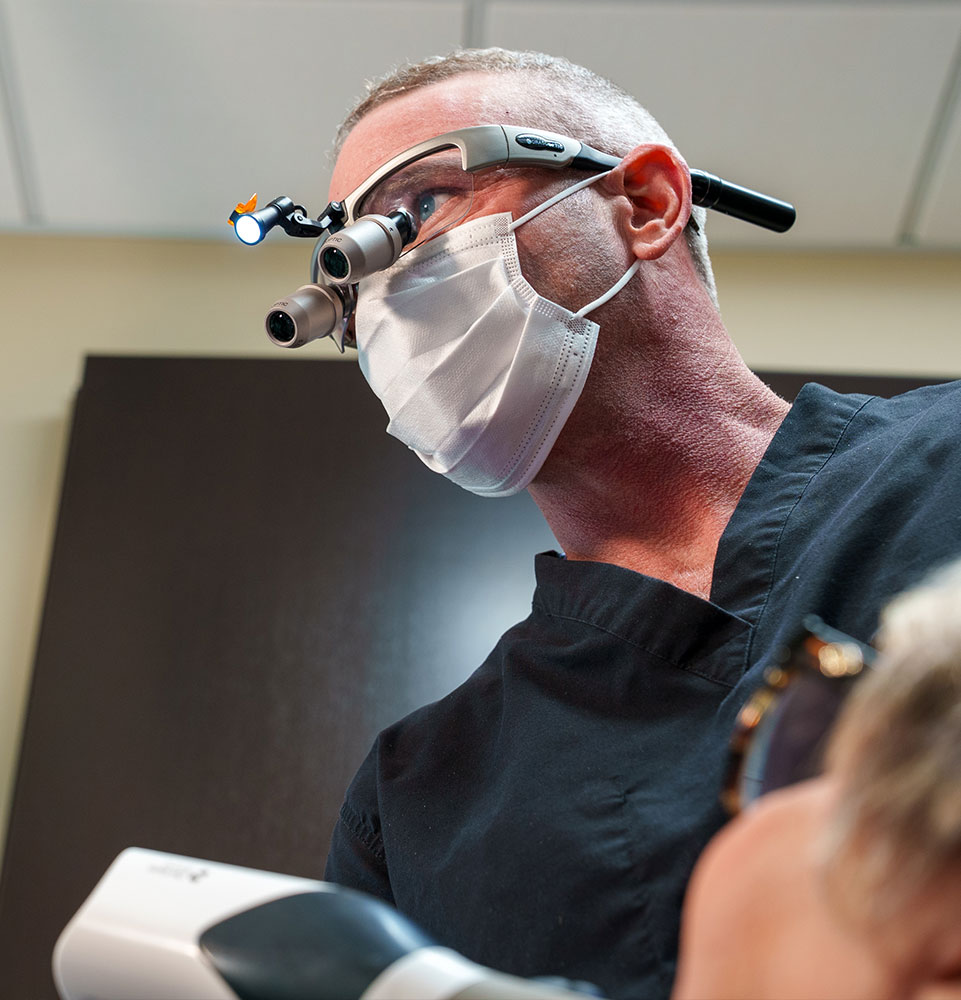
We draw on objective clinical data to form a gum disease diagnosis and to grade the condition. The small collar of gum around each tooth usually sits 2-3 millimeters deep, a small crevice easily cleaned by floss or toothpicks. Dr. Pollard or our hygiene team can measure and chart multiple areas using a small measuring device. If these measurements register beyond 3 millimeters and include bleeding areas, the disease is present. Deeper findings indicate more advanced disease.
Dr. Pollard will also consider the texture and shape of your gums and any movement detectable in each tooth. It’s also vital to examine the levels, shape, and density of the bone around your teeth using digital X-rays. By drawing together numerous findings, a clear picture forms about your gum condition.
Treatment
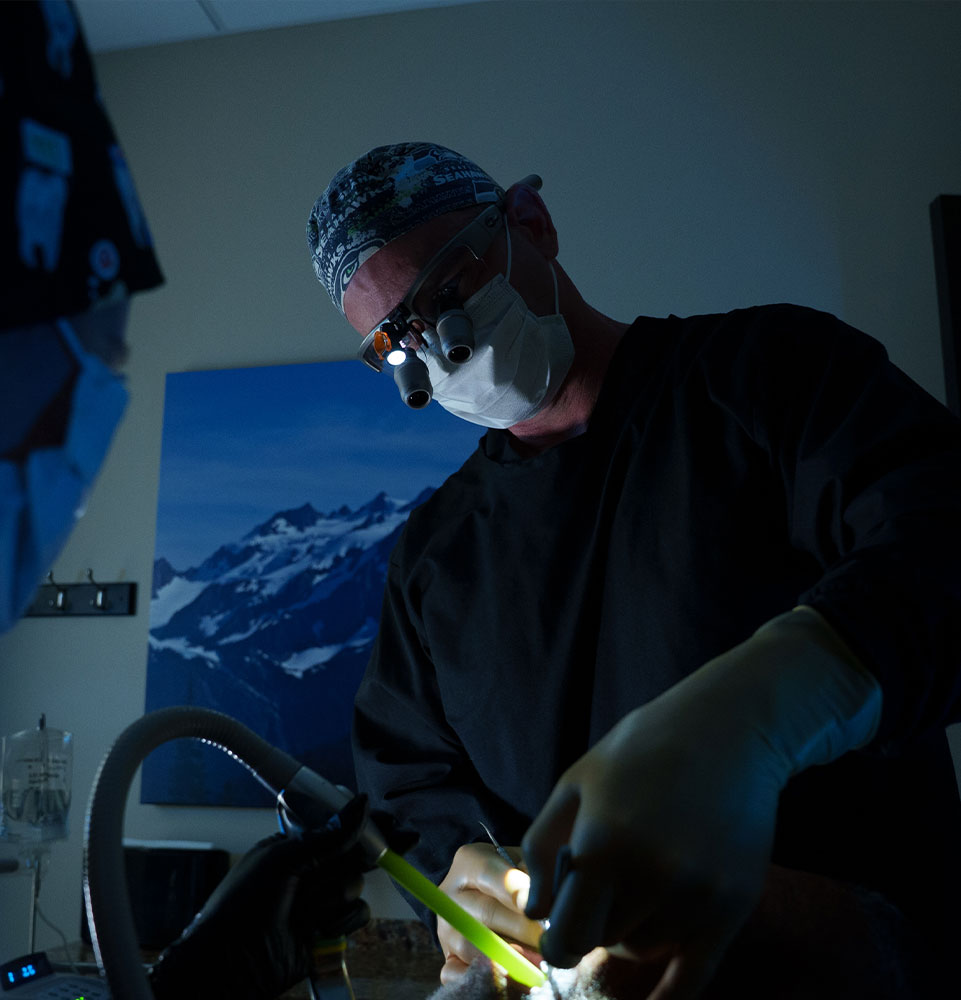
After establishing a diagnosis and defining the severity of gum disease, a personalized treatment plan can be developed with you. In milder forms with little or no bone loss, one or two visits with our hygiene team may bring the condition under control. When you leave our office with a strategy for daily home care and an established schedule for maintenance, little additional treatment may be needed.
If the inflammation has advanced with measurable bone loss, a proactive approach, halting the destruction, should be strongly considered. Often, we will suggest gentle numbing of your gums for your comfort during the deeper cleaning process. One area at a time undergoes meticulous cleaning above and below the gum line, usually over several visits. The infected collar or pocket around each tooth, including the mineralized tartar, must be carefully cleaned out with hand and ultrasonic instruments. Polishing the teeth to establish glossy surfaces that help repel stains and plaque accumulation usually finishes this initial therapy.
Dr. Pollard may suggest a medicated rinse, an electric toothbrush, a Waterpik®, or other specific strategies to help you with your ongoing efforts. Remember, gum disease can be controlled but not cured. A dedicated daily routine must be consistent to control the disease.

Maintenance Matters
Regular home care is critical to stop the progression of gum disease. Within a few hours of a careful cleaning, the bacteria begin to repopulate and adhere to the teeth. Plaque left undisturbed will start to harden within 24 hours, and deeper gum pockets require even more diligence to prevent the bacteria from burrowing further into the foundation of your teeth.
Since the deepest sections of gum pockets previously damaged by bacteria can be difficult to reach at home, a particular maintenance schedule with us proves essential. We can customize your plan to include 2, 3 or 4 visits a year depending on the severity of disease and its response to treatment and home care.
If our combined efforts don’t halt your gum disease, we will refer you to a trusted periodontist, who may recommend further treatment.
Mouth-Body Connection
Current research continues to establish clear links between bacterial disease in your mouth and ailments in other parts of the body. Studies show a link between oral bacteria and conditions such as heart disease, stroke, arthritis, Alzheimer’s, and certain types of cancers. The integration of oral and general health has never been better understood than it is currently.
Bleeding gums provide a direct pathway into the bloodstream, a journey that toxic oral bacteria can quickly take. In fact, if bleeding gums were laid out in a single patch, it would create a 2 x 2-inch square. If an open wound of this size existed on your skin, infection would be a concern. Bleeding, infected gums open this door to your body and sit saturated in colonies of bacteria. This helps explain why researchers continue to identify oral bacteria deposits in various areas of our bodies.
Diabetes and other autoimmune disorders lower the body’s ability to fight infection, allowing uncontrolled gum disease to advance faster. Research also confirms that inflammation in the mouth can aggravate diabetes, making it harder to control. This two-way relationship between two chronic conditions emphasizes the importance of optimal oral health.